Seton’s Founding Educator
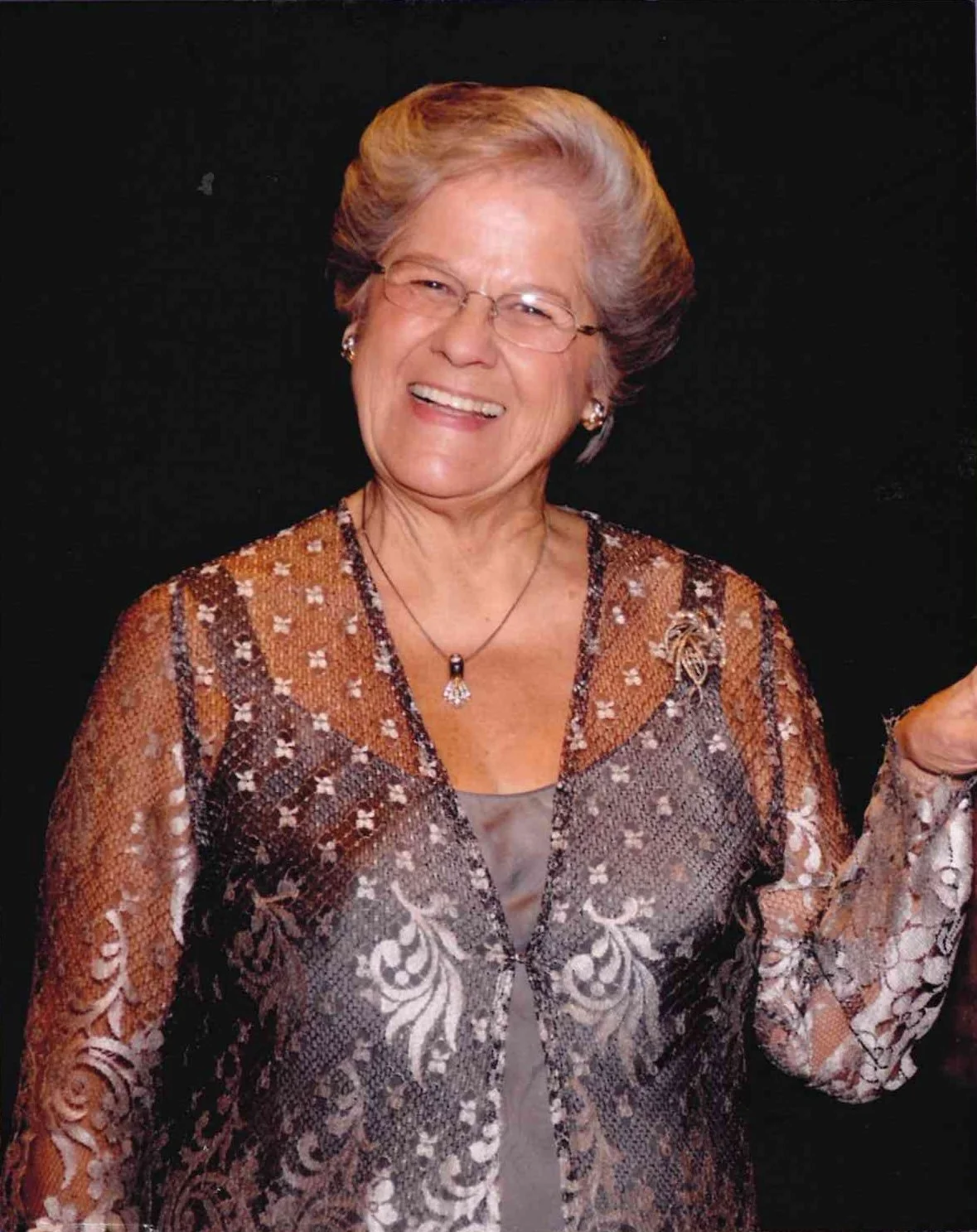
Celma Pinho Perry
January 21, 1934 – August 26, 2026
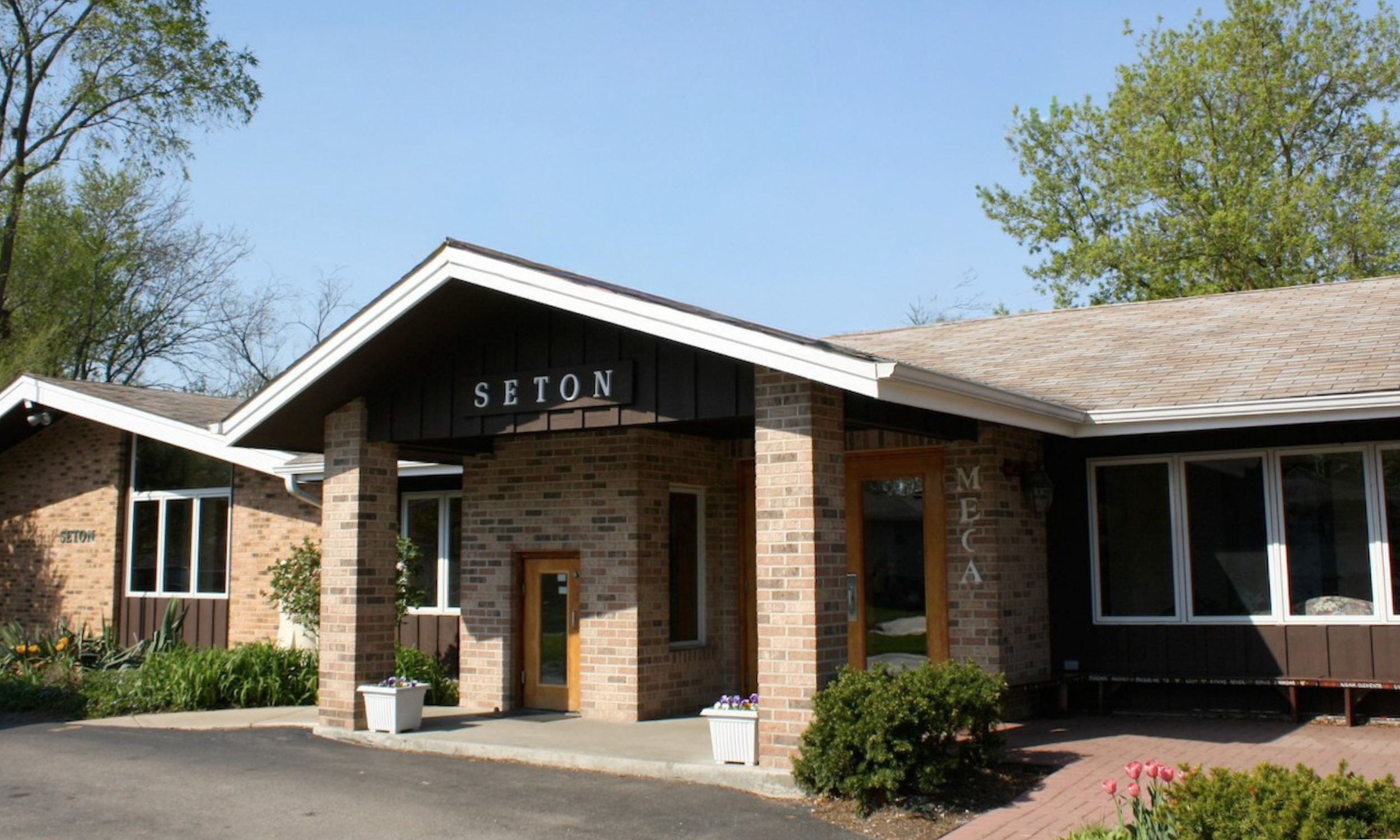
Celma Pinho Perry believed that every life begins in wonder, and she spent over seventy years making sure children everywhere had the chance to discover it. A Montessori pioneer whose work touched multiple countries and continents, Celma died on August 26, 2026, in Barrington, Illinois, at the age of 92. She was the founding educator of Seton Montessori Institute and Schools in Clarendon Hills, Illinois, and she carried, to her very last days, an unshakable conviction: that education begins before birth, never truly ends, and is a sure path to a meaningful life.
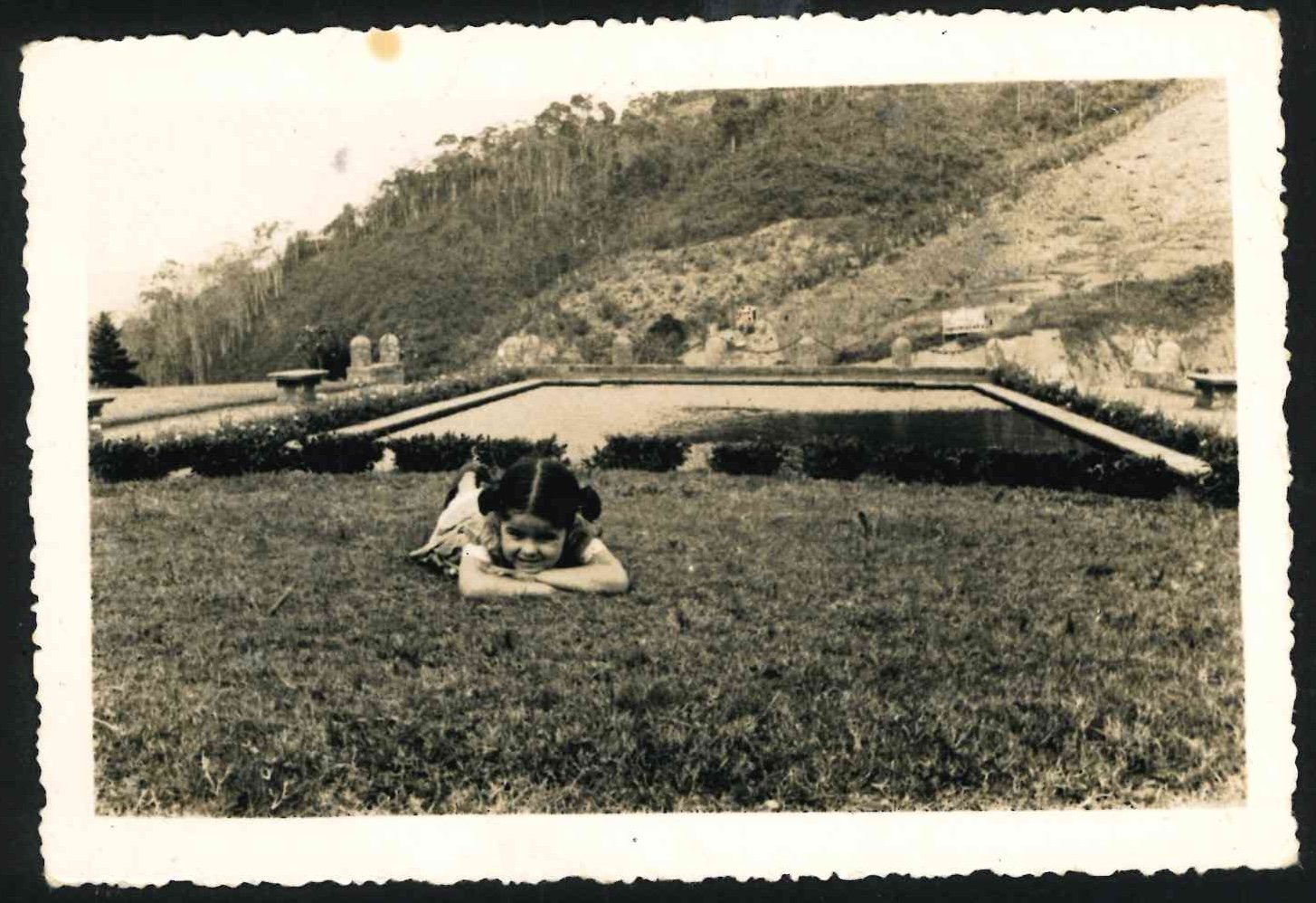
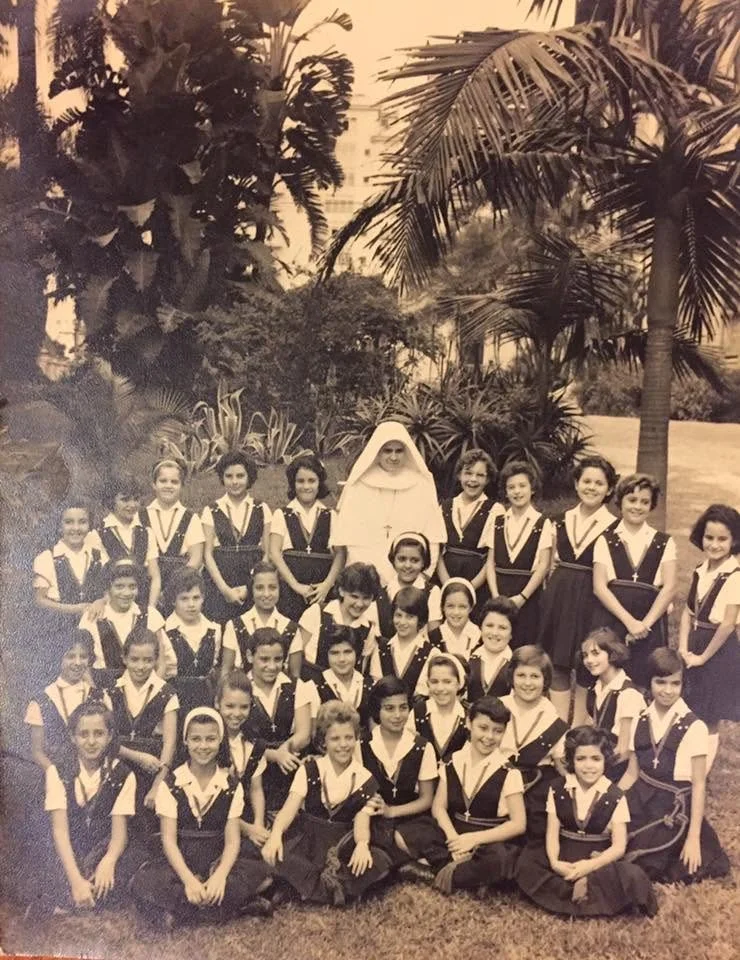
Celma's own life was proof of that belief. Born in Rio de Janeiro, Brazil, to an Army doctor and an accountant, she moved often between the city and Brazil's central plains, absorbing French from the Sisters at the Notre Dame de Sion school — the same language that would later carry her across an ocean into her life's calling. At just fourteen, an invitation to a course in metaphysics lit something in her she would chase for the rest of her days, what she called "the backbone of my life." By sixteen she was certified to teach, and soon after, teaching prisoners to read — work that stirred in her a deep desire for a life of service. In March of 1952, she left Brazil altogether, leading a small group of postulants across the ocean to France, trusting where that calling would take her.
It took her somewhere she never expected. Sent on an errand to a Montessori school outside Paris, Celma spent a single day observing children at work — and everything changed. Studying under Madame Lubienska de Lenval, who had worked directly alongside Dr. Maria Montessori, Celma encountered a philosophy that matched the size of her own conviction. In her words, she "discovered the Child." She would spend the rest of her life making sure others discovered that too.
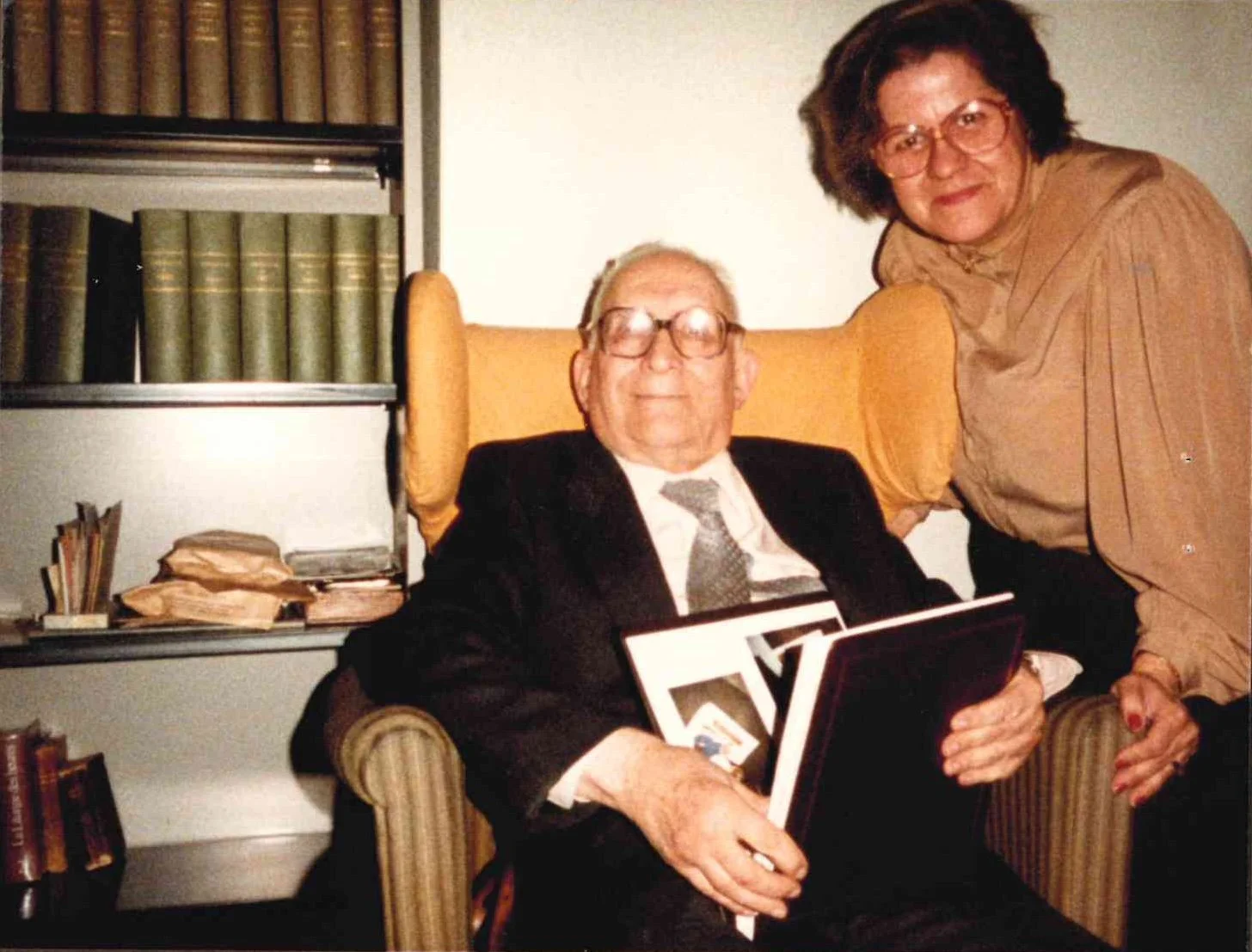
Returning to Brazil in 1956, Celma moved with characteristic boldness — founding a Children's House in São Paulo that grew into a celebrated center of progressive education, teaching pedagogy at the Pontifical Catholic University, translating for the renowned educator Father Pierre Faure, and publishing her first book by 1960. But her courage extended beyond the classroom. Her writing and lectures on education as an act of justice drew the ire of Brazil's military government, and in early 1964, just ahead of a coup that sent many of her friends and colleagues — including Paulo Freire — into exile or prison, Celma left the country rather than compromise what she believed. It was a costly kind of integrity, and it would define her.
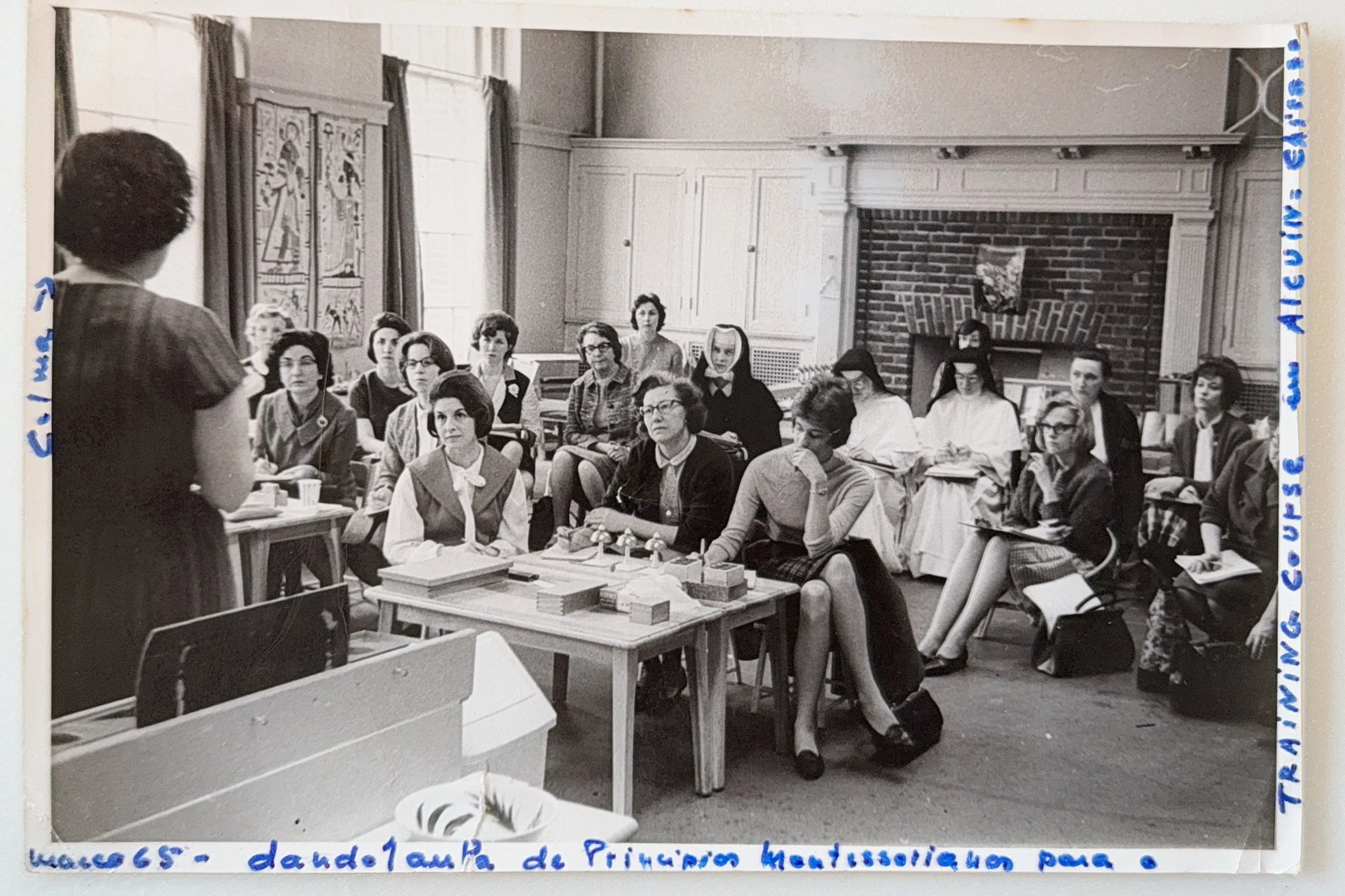
The years that followed carried her through England and the Netherlands, where a Dutch government scholarship deepened both her scholarship and her friendships across the international Montessori world. Then, in 1964, an invitation at the AMI Convention in Amsterdam changed everything again: doctoral study at the University of Chicago, and a teaching post at Alcuin Montessori School in Oak Park. Celma had found, at last, the place she would call home for the rest of her life.
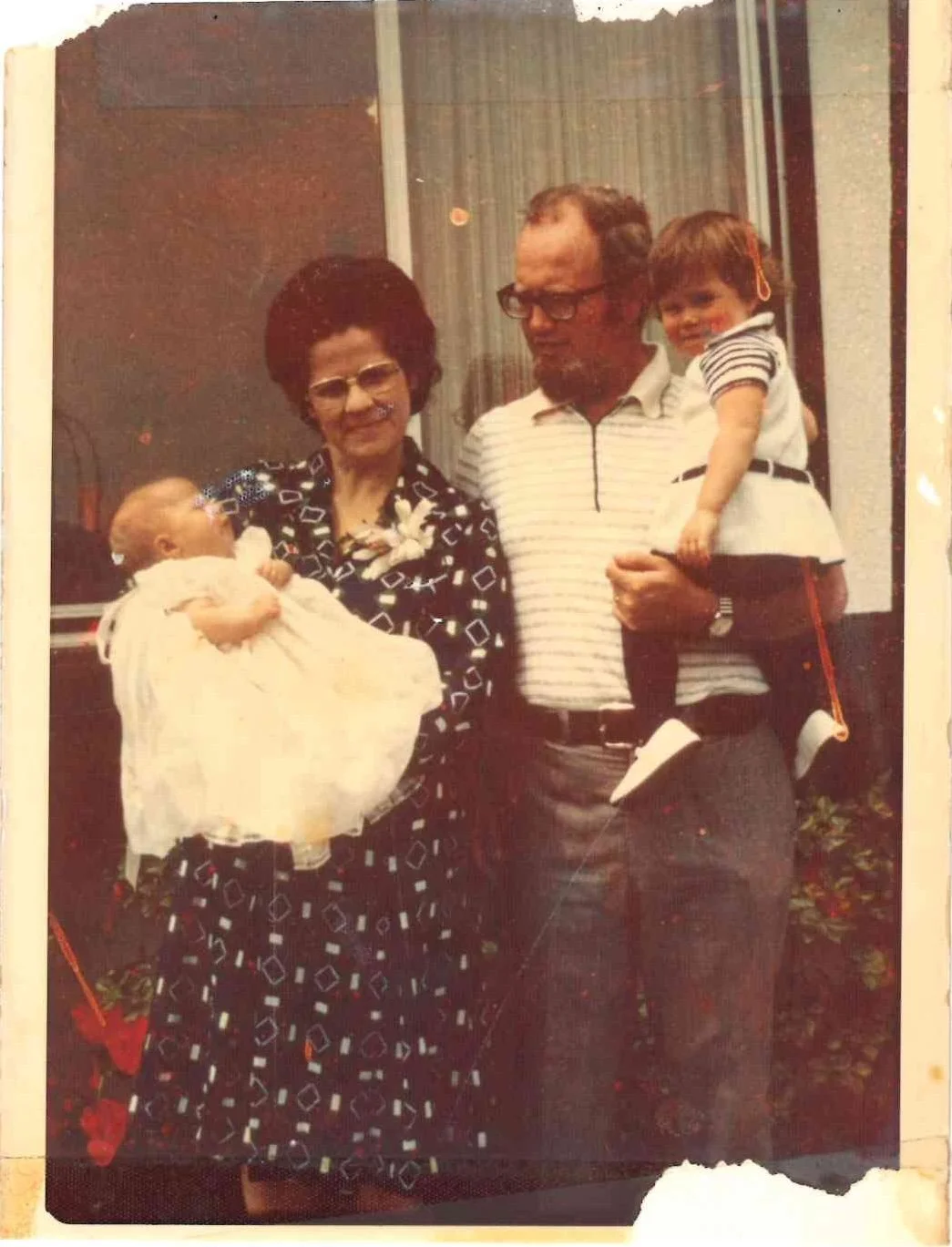
What she built there was extraordinary. In 1965, with the help of the founding parent board, and her friend and lawyer Bob Johnson, Celma built the Children's House of her dreams — a single schoolroom on two acres that would, in her lifetime, grow into Seton Montessori School: a thriving program for children from infancy through age twelve on six acres in the Chicago suburb of Clarendon Hills. She became an American citizen in 1970, the same year she founded the MECA-Seton teacher education program and took the helm of Montessori Education Centers Associated, forging friendships with the founders of the American Montessori movement along the way. In 1972, she married Desmond Perry, and together they built a life around the school and the mission it served — raising two daughters, Anna and Cristina, who both grew up to carry their mother's work forward: Cristina as a Montessori educator and Art and Nature Specialist, and Anna as Executive Director of Seton Montessori Institute and Schools, working alongside her husband, Stephen Snyder, and an amazing team of educators. Celma's grandchildren, Thomas and Margaret Snyder, knew her not as a historical figure but as a grandmother who delighted in them, in Naples, Florida and at the family's home in Lake Geneva, Wisconsin.
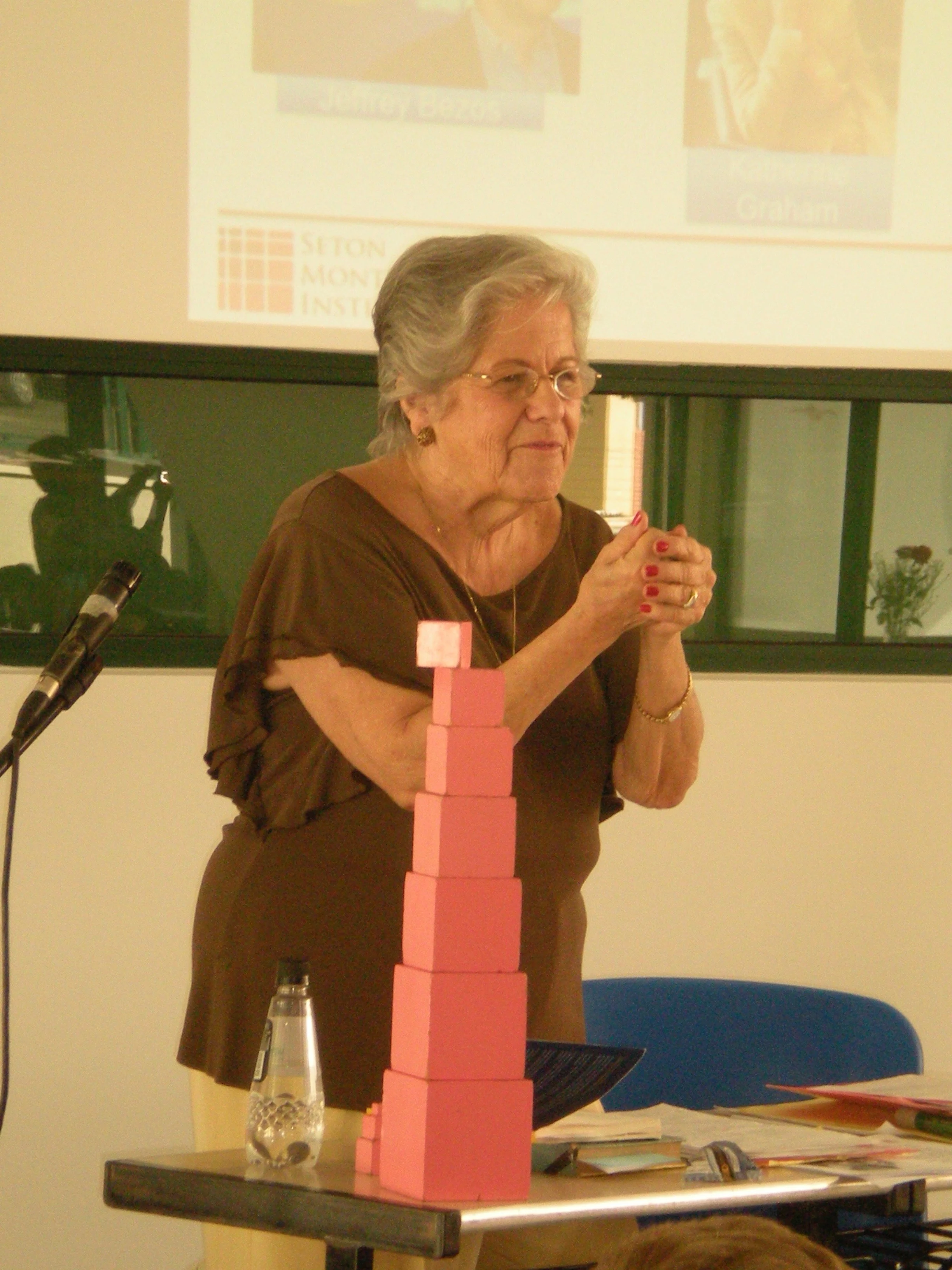
Even in her later years, Celma never slowed her pursuit of wonder. She developed the beloved exhibit "Introducing the Cosmos to the Child," carried her ideas to teachers around the world, and in 2016 published her final book, Living, Creating, Sharing: A Montessori Life. She returned, too, to the country that had once cast her out, helping rebuild Montessori education in Brazil — a homecoming she described as everything she had left behind in 1964 "being returned to me a hundredfold." To the end, she remained exactly who she had always been: curious, faithful, and utterly certain of the dignity of every child.
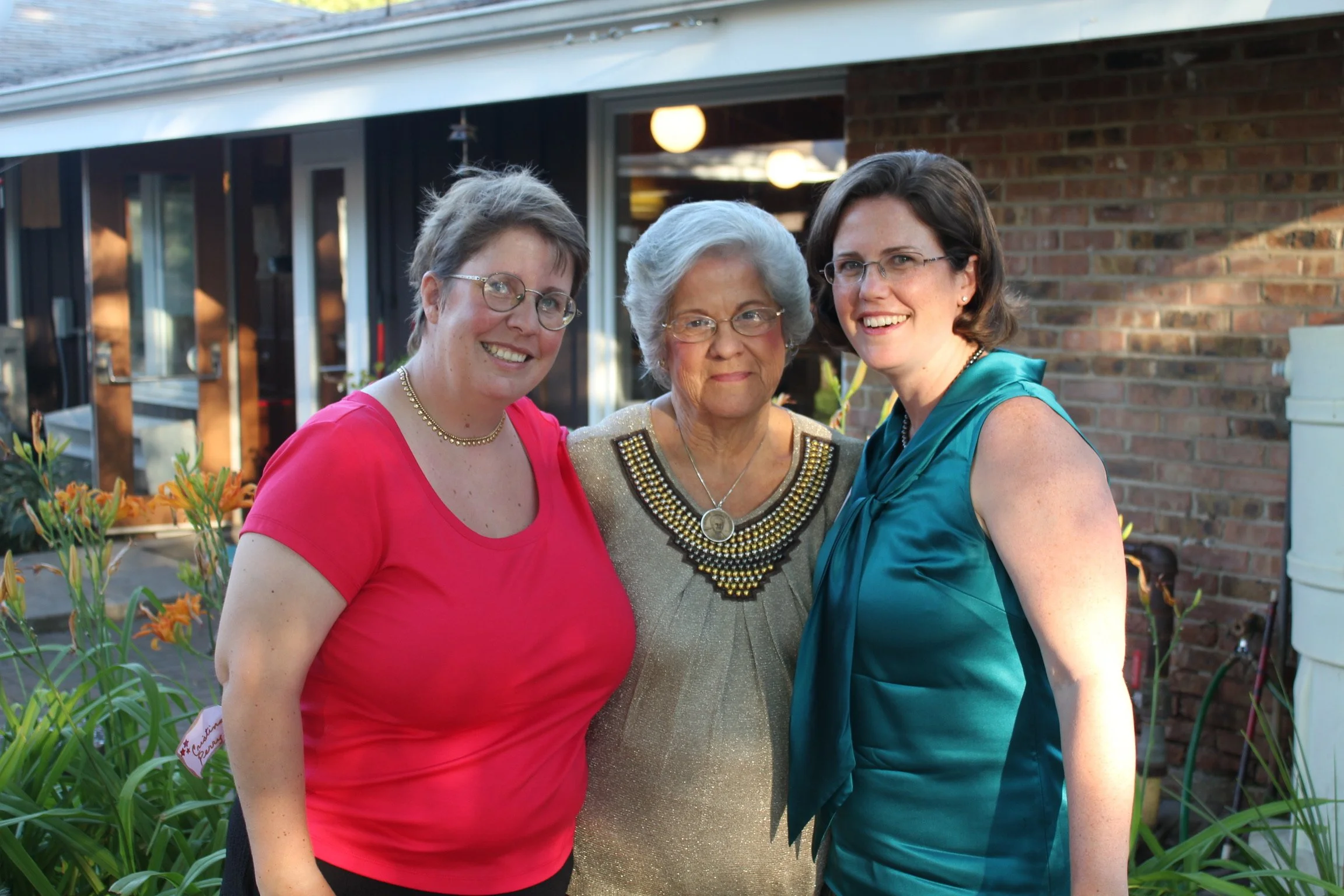
Celma is survived by her family and by generations of teachers and students around the world who continue to carry her belief in the child forward, one classroom at a time.
Help continue the legacy.
Support the work of Montessori Educators through a donation to the
Celma Pinho Perry Legacy Fund
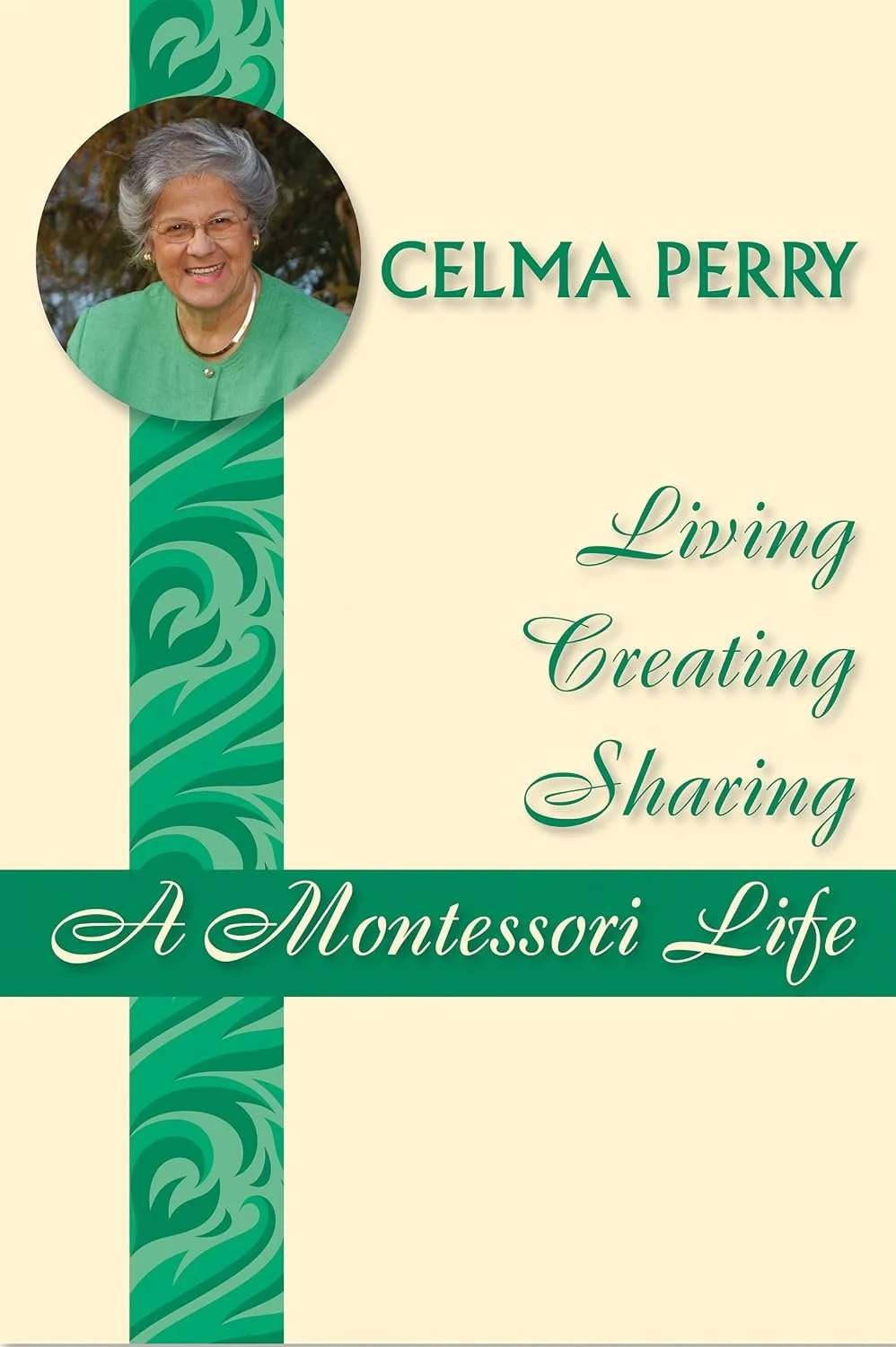
The best of Celma’s work & Montessori life
-
This collection of lectures and papers reflects the illustrious career of eminent Montessorian Celma Pinho Perry. Celma has dedicated her life to preparing teachers and leaders to serve children and families everywhere.
She recounts the personal journey that took her from a childhood in Brazil, to a convent in France, and then to the Chicago area where she has spent most of the last 50 years. There she has taught children, headed a school, and trained teachers.
In this volume, she covers everything from The Impact of Birth on Parents, All-Day Montessori, and The Silence Game. Her wise words offer insight to all who educate and care for children.